The Wales Greyhound Racing Ban: What the 2026 Bill Means for the Sport
 Available in US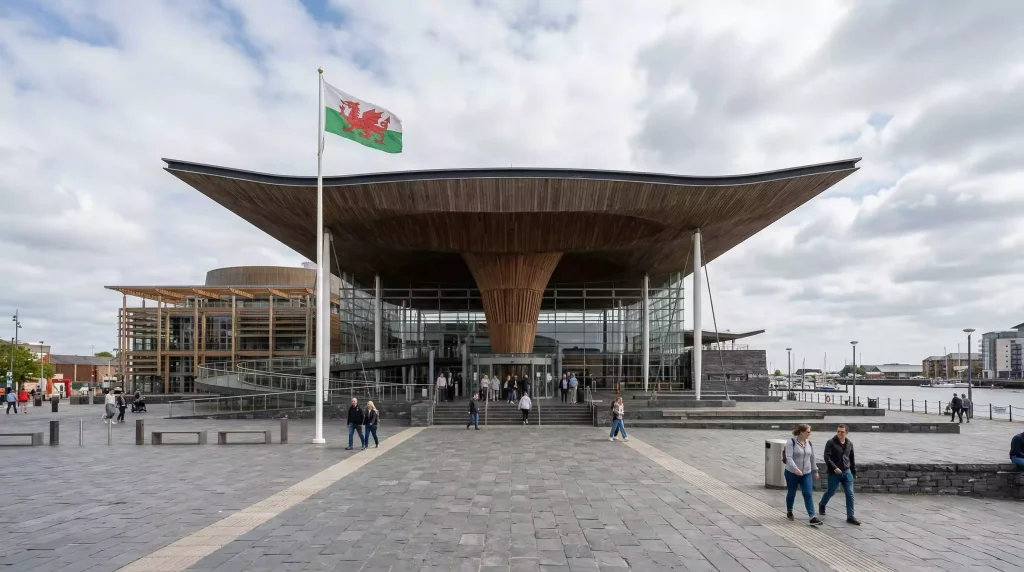
Best Greyhound Betting Sites – Bet on Greyhounds in 2026
Available in USWales Voted to End Licensed Greyhound Racing
The Prohibition of Greyhound Racing (Wales) Bill represents the most significant legislative shift in British greyhound racing in decades. When the Senedd voted to approve the Bill, Wales became the first UK nation to pass legislation banning licensed greyhound racing within its borders — a decision that has implications far beyond the single Welsh track it directly affects. For the wider UK industry, including venues like Nottingham that operate under the same GBGB licensing framework, the Wales vote is a legislative shift that reshapes the political landscape in which the sport exists.
The Bill did not emerge in a vacuum. It followed years of campaigning by animal welfare organisations, evolving public opinion about the use of animals in commercial sport, and a broader political momentum in Wales toward what the devolved government has framed as progressive governance. Whether you view the ban as a necessary ethical correction or an overreach that ignores the sport’s welfare improvements depends on your starting position. What is not in dispute is that it happened, that the vote was decisive, and that its consequences will be felt across the industry for years to come.
The wider context is set out in our Nottingham greyhound results hub.
The Bill: What It Says and When It Takes Effect
The Prohibition of Greyhound Racing (Wales) Bill was introduced to the Senedd on 29 September 2026. Its core provision is straightforward: it makes it an offence to operate or promote licensed greyhound racing in Wales. The Bill was approved by a vote of 36 to 11, with three abstentions, giving it a comfortable majority and signalling broad cross-party support for the measure.
The ban does not take effect immediately. The legislation includes a transition period: the prohibition will come into force no earlier than 1 April 2027 and no later than 1 April 2030. This window allows the single GBGB-licensed track in Wales — Valley Greyhound Stadium in Ystrad Mynach — to wind down operations in an orderly manner, and gives the dogs, trainers and staff associated with the venue time to make alternative arrangements.
The Bill’s scope is specific to licensed racing. It does not prohibit greyhound ownership, greyhound breeding or the keeping of greyhounds as pets. It does not affect coursing, which is already illegal in Wales. What it prohibits is the commercial activity of staging greyhound races for public attendance and betting. The distinction is important: the law targets the organised sporting and gambling product, not the breed itself.
The transition timeline was a point of negotiation during the legislative process. Some advocates wanted an immediate ban. The industry argued for a longer period to allow for the rehoming of dogs and the financial unwinding of the business. The 2027-2030 window represents a compromise that gives the Welsh Government discretion over the exact commencement date, depending on the readiness of the transition arrangements. The Bill also includes provisions for enforcement, specifying penalties for anyone who stages or promotes greyhound racing in Wales after the prohibition takes effect. The detail of the enforcement framework will be developed through secondary legislation as the commencement date approaches.
The Vote and Political Positions
The Senedd vote reflected a political alignment that the greyhound racing industry was unable to counter. The Welsh Government, led at the time of the Bill’s introduction by ministers who framed Wales as what Huw Irranca-Davies described as a “progressive nation” committed to high ethical standards, positioned the ban as consistent with broader animal welfare legislation that the devolved government has pursued since gaining power.
Supporters of the Bill argued that greyhound racing subjects animals to unnecessary risk of injury for the purpose of commercial gambling, and that the welfare improvements cited by the industry — declining injury rates, improved rehoming figures — did not address the fundamental ethical objection. The welfare data showing record-low injury rates and a 94 percent rehoming rate was acknowledged but dismissed as insufficient by those who believe the activity itself is inherently problematic.
Opponents of the Bill, including the GBGB and industry representatives, argued that the welfare trajectory was strongly positive, that banning a legal and regulated activity on ethical grounds set a concerning precedent, and that the economic impact on Valley Stadium’s staff and the local community had been insufficiently considered. The industry’s position was that reform — not prohibition — was the appropriate response to welfare concerns, particularly given the significant progress demonstrated by GBGB’s annual data.
The vote total — 36 in favour — indicated that the industry’s arguments did not persuade a sufficient number of Senedd members. The margin was decisive rather than narrow, which limits the prospect of the decision being revisited or reversed by a future government. Against the backdrop of the UK’s 18 licensed greyhound stadiums, Wales’s single track represented a small fraction of the industry’s output. But the symbolic weight of being the first UK nation to legislate against the sport carries influence that exceeds the direct economic impact.
Implications for the Wider UK Industry
The Wales ban does not directly affect Nottingham, Perry Barr, Romford or any of the English or Scottish tracks. Devolved legislation applies only within the borders of the nation that passes it. But the indirect implications are significant and have been felt across the industry since the vote.
The most immediate concern is precedent. If Wales can ban greyhound racing, other jurisdictions can consider doing the same. Scotland is already progressing its own bill through the Scottish Parliament. While no comparable legislation has been proposed at Westminster for English tracks, the political environment has shifted. The question is no longer “could greyhound racing be banned?” but “where next?” — and that uncertainty affects investment decisions, recruitment and the long-term strategic planning of every operator in the UK.
The second implication is reputational. The Wales vote generated significant media coverage, much of it framed as a welfare victory. For an industry that has invested heavily in welfare improvements — injury rates at record lows, rehoming rates at record highs, economic euthanasia reduced by 98 percent — the coverage was frustrating. The narrative that emerged was not “industry reforms recognised as insufficient” but “greyhound racing banned” — a headline that sticks in public consciousness regardless of the nuance behind it.
The third implication is operational. Valley Stadium’s closure will displace dogs, trainers and racing staff. Some will relocate to English tracks, including those in the ARC network. Some will leave the industry entirely. The net effect on the volume and quality of racing at venues like Nottingham will depend on how many of those displaced by the Welsh ban choose to continue in the sport. For Colwick Park, which draws its dog population from the broader English and Irish training circuits, the impact is likely to be marginal. But for the industry as a whole, every closure — whether by market forces or by legislation — reduces the ecosystem that sustains the sport. A legislative shift in one nation reverberates through all of them, and the Wales Bill has ensured that greyhound racing’s future in the UK will be debated in political terms, not just commercial ones, for years to come.
Scotland is following: the Scottish bill.
