
Responsible Betting on Greyhound Racing: Limits, Tools and Where to Get Help
 Available in US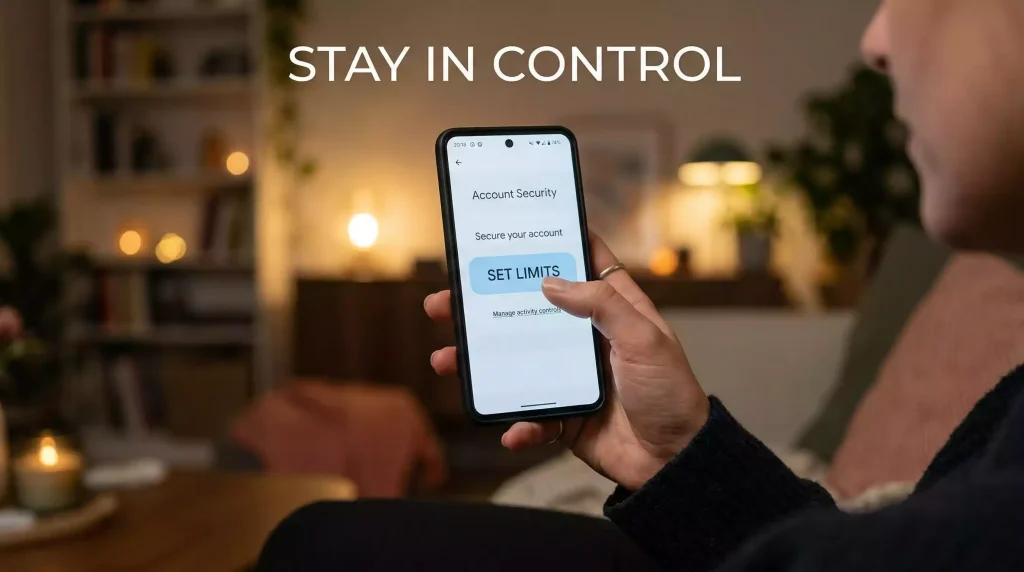
Best Greyhound Betting Sites – Bet on Greyhounds in 2026
Available in USGreyhound Racing Should Be Entertainment, Not a Financial Plan
The greyhound racing betting market is substantial. Bookmaker shop turnover alone reached £794 million in the 2023-24 period, and the global greyhound racing industry is valued at approximately $2.1 billion. Those are big numbers, and they represent a lot of money changing hands between a lot of people — most of whom are betting for enjoyment, within their means, and walking away from each meeting with a story rather than a problem. But not everyone. Some bettors lose control, and the pace and frequency of greyhound racing — a new race every 15 minutes, four meetings a week at Nottingham alone — can accelerate that loss of control faster than almost any other betting product.
Responsible betting is not a slogan printed at the bottom of a bookmaker’s website. It is a set of practical tools, systems and support services designed to keep gambling within the boundaries of entertainment. Stay in control. That is the purpose of everything described in this guide, and if any part of it feels personally relevant, the resources listed at the end are there to help.
The wider context is set out in our Nottingham greyhound results hub.
Deposit Limits, Session Limits and Reality Checks
Every licensed UK bookmaker is required by the Gambling Commission to offer deposit limits — a cap on how much money you can add to your betting account within a given period. You can set a daily, weekly or monthly limit, and once the limit is reached, you cannot deposit further funds until the period resets. The important detail is that while you can lower a deposit limit instantly, increasing it typically requires a cooling-off period of 24 hours or more. This asymmetry is deliberate: it prevents impulsive decisions to chase losses by adding more money in the heat of a losing run.
Session limits are a related tool, available on some platforms, that cap the amount of time you can spend on a betting site or app in a single session. Greyhound racing’s rapid cycle — 15 minutes between races, 12 to 13 races per meeting — can create a pattern where bettors lose track of time and money simultaneously. A session limit forces a break, which interrupts the cycle and creates a moment of reflection that the racing format itself does not naturally provide.
Reality checks are notifications that appear at set intervals — every 30 minutes, every hour — reminding you how long you have been betting and how much you have won or lost during the session. They are a nudge, not a barrier. You can dismiss them and continue. But the act of seeing a number — especially a negative one — can be enough to trigger a decision to stop that you would not have made without the prompt. Most major bookmakers offer reality checks as a standard feature, and they can usually be configured in the account settings.
The practical advice is straightforward: set these limits before you start betting, not after you have already lost more than you intended. The best time to decide how much you are willing to lose on a Nottingham meeting is when you are calm and clear-headed — not in the middle of Race 8 after three consecutive losers.
Self-Exclusion and GamStop
For bettors who have moved beyond the point where deposit limits and reality checks are sufficient, self-exclusion is the next step. Self-exclusion is a formal commitment to being barred from a betting platform for a specified period — typically six months, one year or five years. During the exclusion period, you cannot access your account, place bets or deposit funds. The bookmaker is obligated to enforce the exclusion, and attempting to circumvent it by creating a new account is a breach of the terms of service.
GamStop is the UK’s national self-exclusion scheme for online gambling. When you register with GamStop, your details are shared with all licensed online gambling operators in the UK, and you are excluded from all of them simultaneously. The minimum exclusion period is six months, with options for one year or five years. GamStop is free to use, and registration takes a few minutes. It does not cover in-person betting at stadiums or shops — for those, separate exclusion arrangements are available through individual operators and through the industry’s multi-operator self-exclusion scheme.
Self-exclusion is not a sign of weakness. It is a practical tool used by people who have recognised that their gambling has crossed a line and who are taking a concrete step to address it. The stigma around self-exclusion is fading as awareness of gambling harm grows, and the process is designed to be as straightforward as possible. If you find yourself thinking about self-exclusion, that thought itself is a signal worth acting on.
The staking side is covered in the betting guide.
Where to Get Help: BeGambleAware, GamCare and Beyond
If you or someone you know is experiencing difficulties with gambling, support is available from several organisations that specialise in gambling-related harm.
BeGambleAware is the UK’s primary provider of information and advice on safer gambling. Its website offers self-assessment tools, educational resources and a treatment directory that connects individuals with local and national support services. The National Gambling Helpline, operated on behalf of BeGambleAware, is available for confidential advice.
GamCare provides direct counselling and support for people affected by gambling, including online chat, phone support and face-to-face counselling through its network of treatment providers across the UK. GamCare’s services are free and confidential.
The Gambling Commission regulates all licensed gambling in the UK, including greyhound racing. While the Commission does not provide direct support to individuals, its website contains information about your rights as a consumer, how to make complaints about operators and the regulatory standards that bookmakers must meet. As GBGB Chairman Sir Philip Davies has noted, “bookmakers receptive to paying more” into the sport also carries an implicit obligation to fund the welfare infrastructure around it — and that includes the responsible gambling tools and support services that protect bettors.
The betting industry as a whole has invested significantly in responsible gambling measures in recent years, driven by regulatory pressure, public scrutiny and a growing recognition that a customer who loses everything is not a long-term customer. The tools exist. The support exists. The question is whether the people who need them know where to find them — and whether the culture around greyhound racing, which has historically celebrated the punt without always acknowledging the risk, creates an environment where asking for help feels acceptable. It should. The sport is better when its audience is in control, and staying in control is a choice that these tools are designed to support.
