Greyhound Rehoming in the UK: Retirement Rates, Trusts and Adoption Pathways
 Available in US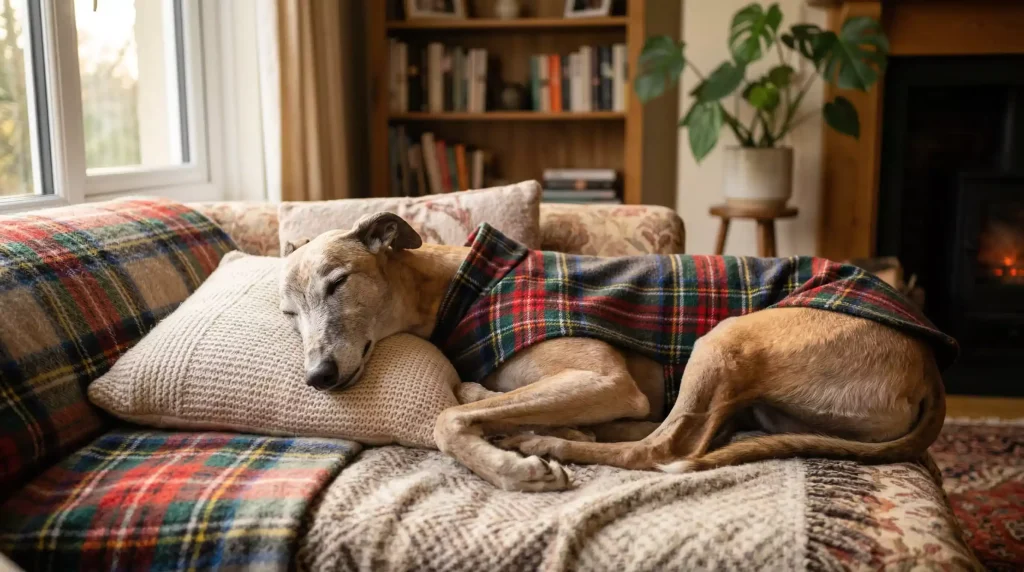
Best Greyhound Betting Sites – Bet on Greyhounds in 2026
Available in US94% of Retired Racing Greyhounds Now Find Homes
Life after the track is the question that defines the welfare debate around greyhound racing more than any injury statistic or fatality rate. What happens to the dogs when they stop running? The answer, as of 2026, is more positive than at any previous point in the sport’s history: 94 percent of retired racing greyhounds in the UK now find homes, whether through dedicated rehoming organisations, direct adoption by trainers and owners, or the Greyhound Trust’s national network of adoption centres.
That 94 percent figure is not a vague estimate. It comes from the GBGB’s annual Injury and Retirement Data, which tracks the outcome for every greyhound that exits licensed racing. The methodology is transparent, the figures are published publicly, and the trend is clear. But the number also represents an industry that knows its social licence depends on getting this right — and that the remaining 6 percent who do not find homes through tracked channels represent the gap that critics will continue to highlight.
The wider context is set out in our Nottingham greyhound results hub.
Rehoming Trends: From 88% in 2018 to 94% in 2026
The rehoming rate has improved steadily since GBGB began publishing the data. In 2018, the first year of comprehensive reporting, 88 percent of retired greyhounds were successfully rehomed. By 2026, that figure had risen to 94 percent — a six-percentage-point improvement that represents hundreds of additional dogs finding homes each year.
Alongside the rising rehoming rate, the most striking figure in the data is the near-elimination of economic euthanasia. In 2018, 175 greyhounds were euthanised for economic reasons — meaning their owners or trainers chose euthanasia rather than bearing the cost of rehoming or ongoing care. By 2026, that number had fallen to 3. A reduction of 98 percent. Three dogs, out of the thousands that retired from racing during the year, were euthanised because no one was willing to pay for their future. The industry regards this as one of its most significant welfare achievements. Critics, including Mark Ruskell MSP who has described greyhound racing as a “cruel gambling-led sport” that he seeks to halt, argue that any economic euthanasia is unacceptable in a commercially profitable industry.
The improvement has been driven by a combination of factors: increased investment in rehoming infrastructure, the growth of dedicated adoption organisations, the GBGB’s welfare strategy that embedded rehoming obligations into the licensing framework, and a cultural shift within the industry toward viewing retirement planning as an integral part of a dog’s racing career rather than an afterthought. Trainers who once might have disposed of a dog quietly at the end of its racing life now operate within a system that tracks outcomes and holds them accountable. The transparency of the annual data — published publicly and scrutinised by both the industry and its critics — has created a level of accountability that did not exist before 2018.
The Greyhound Trust and Other Adoption Organisations
The Greyhound Trust is the largest and oldest dedicated greyhound rehoming charity in the UK, with a network of branches across the country that take in retired racing dogs, assess them for suitability as pets, and match them with adoptive families. The Trust has been rehoming ex-racing greyhounds for decades and has placed thousands of dogs in permanent homes.
The adoption process through the Greyhound Trust typically involves an initial assessment of the dog’s temperament and health, a period of fostering or kennelling while the dog adjusts to domestic life, a home check for the prospective adopter, and an ongoing support service after placement. Ex-racing greyhounds make surprisingly good pets for many households — they are typically calm, affectionate and low-maintenance indoors, despite their reputation as high-energy athletes. The transition from track to sofa is often smoother than new adopters expect.
Beyond the Greyhound Trust, numerous independent rescue organisations and breed-specific charities operate across the UK. Some focus on greyhounds from specific regions or tracks. Others specialise in dogs with particular needs — those recovering from injury, older dogs, or dogs that require more intensive behavioural support before they are ready for a domestic environment. The ecosystem of rehoming organisations is broader and more professional than it was a decade ago, which is one reason the rehoming rate has climbed as consistently as it has. Local branches near Nottingham and across the Midlands are active in placing dogs that have raced at Colwick Park, and the proximity of multiple rehoming centres to the East Midlands training population helps ensure that the pipeline from track to home operates with minimal delay.
Lisa Morris-Tomkins of the Greyhound Trust has previously described the number of greyhounds without homes as “unacceptable” — a statement that reflected the situation in 2018, when rehoming rates were lower and economic euthanasia was still widespread. The progress since then has been substantial, but the Trust’s position remains that every retired greyhound deserves a home, and that the industry has an obligation to ensure that outcome for every dog it produces.
The welfare figures behind it are in welfare at Nottingham.
The Injury Retirement Scheme: Financial Support for Injured Dogs
Not every retired greyhound leaves the sport in good health. Some sustain injuries during their racing career that require ongoing veterinary treatment, and the cost of that treatment can be a barrier to rehoming. The GBGB’s Injury Retirement Scheme addresses this by providing financial support for the veterinary care of greyhounds that are injured during licensed racing and subsequently retired.
Since its establishment in 2018, the IRS has paid out more than £1.1 million in veterinary treatment costs for registered greyhounds. The scheme covers a range of treatments, from surgery for fractures to rehabilitation for muscle injuries, and it operates on the principle that a dog injured in the course of its racing career should not be denied treatment because the cost is prohibitive for the owner or trainer.
The IRS is funded through the GBGB’s central budget, which draws on bookmaker contributions via the BGRF and other industry revenue. It represents a direct financial commitment by the sport to the welfare of its athletes beyond their competitive careers. The scheme has been expanded since its launch, with updated guidelines and increased coverage that reflect the growing expectation — from within the industry and from external stakeholders — that the duty of care to a racing greyhound does not end at the finish line.
For the broader welfare narrative, the IRS is an important counterpoint to the criticism that the industry discards dogs once they are no longer commercially useful. The combination of a 94 percent rehoming rate, a 98 percent reduction in economic euthanasia and over £1.1 million invested in post-career veterinary care represents a welfare infrastructure that, whatever its remaining gaps, is materially different from the one that existed when GBGB first began publishing its data.
